Estimated reading time: 9 minutes
Drone technology today presents diverse, exciting possibilities to professionals and enthusiasts. Thus, you can explore these opportunities for recreational or commercial purposes.
However, you must stick to the guidelines as there are potential dangers of ignoring no-fly zones when flying a drone.
Flying a drone in restricted areas increases the risk of accidents, leading to destructive or fatal consequences. The establishment of no-fly zones (NFZs) primarily aims to protect airspace and other restricted zones and prevent manned-unmanned aircraft collisions.
This article explores the risks of overlooking no-fly zones when flying your unmanned aerial vehicle (UAV). Moreover, it helps you understand these areas and how you can identify them. That way, you can ensure safety for all during your flights. Let’s get started.
Table of contents
- What’s No-Fly Zones?
- What Are the Dangers of Ignoring No-Fly Zones When Flying a Drone?
- Enhancing Terrorism and Unauthorized Surveillance:
- Preventing Sustainable Growth in the Drone Industry:
- Threatening National Security:
- Increasing Accident and Collision Risk:
- Endangering Public Safety:
- Interfering With Privacy:
- Disrupting Critical Services:
- Damaging Aircraft Control Systems:
- Eroding Drone Technology’s Public Trust:
- Attracting Legal Penalties:
- How Do You Identify No-Fly Zones?
- Can You Fly a Drone in a No-Fly Zone?
- What Are the Challenges of Flying Drones in Restricted Areas?
- Parting Shot
What’s No-Fly Zones?
No-fly zones are temporarily or permanently prohibited air spaces for safety or security reasons. Temporary restrictions occur during emergencies and major public events. In contrast, permanent restrictions apply to sensitive places like airports and government facilities. You can only fly your drone in these areas with special authorization.
Primarily, no-fly restrictions are associated with military activities. The first no-fly prohibitions occurred in 1991, when the United States, France, Britain, and Turkey implemented the restrictions over Iraq. They established the zones to prevent Saddam Hussein’s administration from attacking Shiite and Kurdish people.
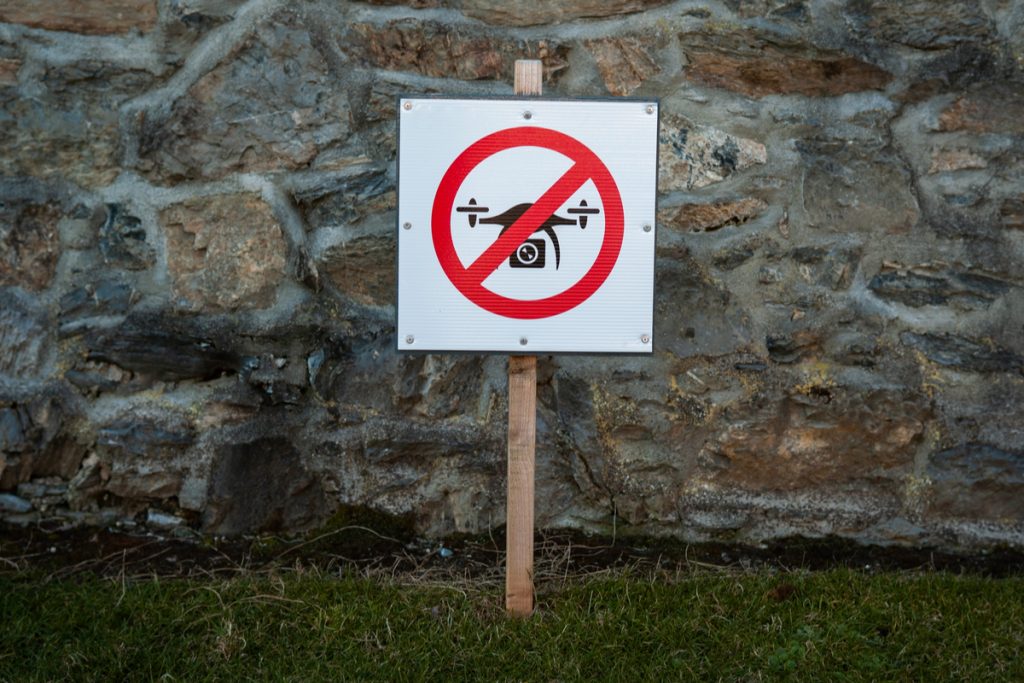
No-Fly Zone
What Are the Dangers of Ignoring No-Fly Zones When Flying a Drone?
The dangers of ignoring drone flight restrictions include the following:
- Enhancing terrorism and unauthorized surveillance
- Preventing sustainable growth in the drone industry
- Threatening national security
- Increasing accident and collision risk
- Endangering public safety
- Interfering with privacy
- Disrupting critical services
- Damaging aircraft control systems
- Eroding drone technology’s public trust
- Attracting legal penalties
Read on as we explore each of the dangers.
Enhancing Terrorism and Unauthorized Surveillance:
Flying drones over no-fly zones increases the risk of terrorism and unauthorized surveillance. Some drone fliers may use their gadgets with malicious intentions.
Hence, you must keep off sensitive installations when flying your drone to avoid trouble with the authorities in charge. They can confiscate your device, and you may never recover it.
Preventing Sustainable Growth in the Drone Industry:
Improper use of drones creates an unfavorable environment for the expansion of the UAV industry.
Flying your drone over the ‘no-go zones’ discourages regulatory bodies from facilitating and supporting drone integrations into diverse sectors.
Amazon Prime is giving 6-month trial for $0
All 18-24 year-olds and students welcome.
Start your six month trial
Threatening National Security:
Unauthorized drone activities are potentially a threat to national security. Sensitive areas such as government facilities, military installations, communication towers, and power plants have heightened security to prevent them from unauthorized access.
Hence, flying your device over such airspace areas can pose national insecurity, resulting in increased security measures. Also, illegal drone activity can lead to law enforcement by the authorities.
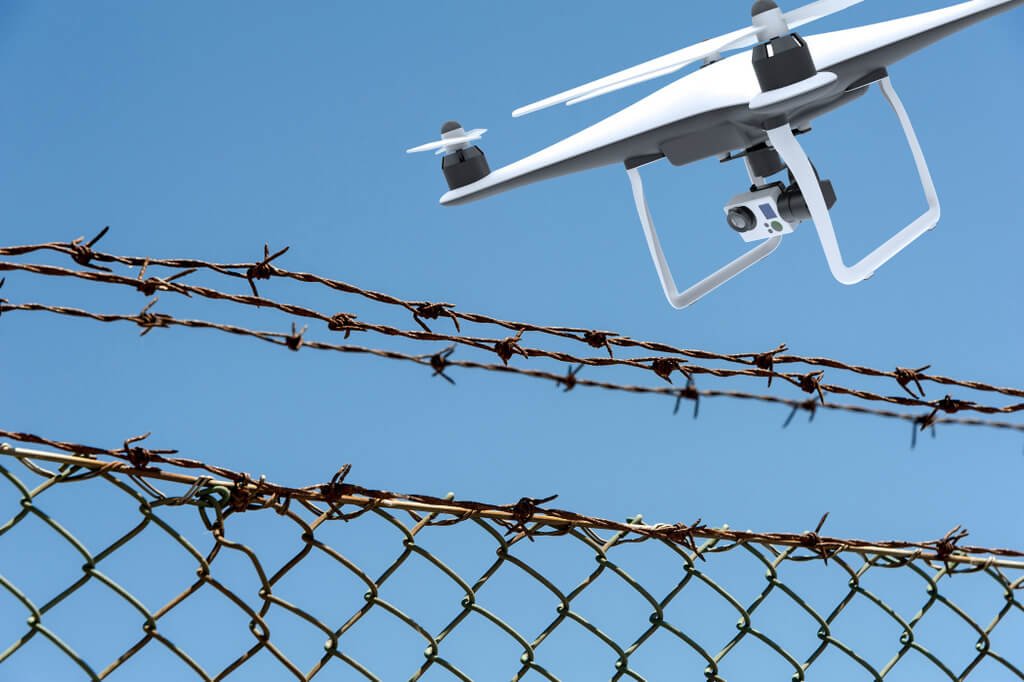
Drone can be a threat to national security
Increasing Accident and Collision Risk:
Uncontrolled drone flights over certain airspaces can risk their safety, leading to accidents, near misses, and collisions between UAVs and manned aircraft.
Air accidents can lead to disastrous consequences, exposing lives and property to harm.
In such a case, you’re held responsible, and the law enforcement agencies take the appropriate action against you. Also, you may have to pay for resultant losses such as property damage and medical expenses.
Endangering Public Safety:
Restricting drone flights over some critical infrastructure and providing airspace safety enhances public safety. Hence, inappropriate drone proximity to these areas or crowded airspaces can expose people to serious threats.
For instance, drones flying near airports can interfere with flight operations and risk lives. Therefore, the FAA has strict rules for manned aircraft and public safety.

Interfering With Privacy:
Areas with private concerns are part of no-fly zones. Such include private properties and residential neighborhoods.
Therefore, non-compliance with no-fly zones exposes the residents to potential drone intrusions, denying them privacy rights. Invading an individual’s privacy is unethical and illegal and attracts legal consequences.
Disrupting Critical Services:
Ignoring no-fly zones when flying a drone interferes with essential services in critical infrastructure. Such are the services that communities rely on for their livelihood.
Besides, illegal drone activity has harsh consequences for you.
Damaging Aircraft Control Systems:
Flying your drone over no-fly areas violates the air traffic control system’s integrity by allowing interference in the controlled airspace.
As a result, you mess up with the safe and efficient movement management of manned aircraft.
Eroding Drone Technology’s Public Trust:
No-fly zones’ ignorance, especially near sensitive areas, tarnishes the drone technology image to the public.
Hence, fly your device responsibly and observe flight regulations (like keeping off no-fly zones) to maintain a positive perception.
Attracting Legal Penalties:
Irresponsible drone flying violates aviation regulations and local laws. Failure to respect drone flight restrictions attracts legal penalties such as fines and imprisonment, depending on the severity of the violation.
How Do You Identify No-Fly Zones?
You can identify no-fly zones using drone manufacturers or National Aviation Authorities (NAA) maps. Most drone factories integrate NFZ maps into the device’s software, while the NAA provides zone-marked online maps.
Checking either of them helps you fly legally and safely.
Where Are Drone No-Fly Zones?
Drone no-fly zones include the following:
- Low-flying zones
- Control zones
- Restricted areas
- Military operating areas
- Danger areas
Keep reading.
Low-Flying Zones:
Within 4 km of all airports: Have the appropriate qualifications or fly under a holder’s supervision.
You shouldn’t fly over an aircraft maneuvering area or a runway strip. Also, you must obtain Air Traffic Control (Airways) approval via the AirShare app’s ‘My Flights’ function for major airports with controlled airspace.
Uncontrolled airspace within 4 km wholly of aerodromes: Get the aerodrome operator’s consent and an observer to maintain awareness of the surrounding airspace’s situation.
Controlled airspace within 4 km wholly or partially of Aerodromes.: Obtain the aerodrome operator’s (not the Air Traffic one’s) consent.
Also, have the Air Traffic Control (Airways) approval via the AirShare app’s ‘My Flights’ function for the flights within controlled airspace. For flights in uncontrolled airspace, get an observer to maintain situational awareness of the surrounding airspace.
Zone overlaps with 4 km of aerodromes: Have all the relevant permissions for the aerodromes you pass through.
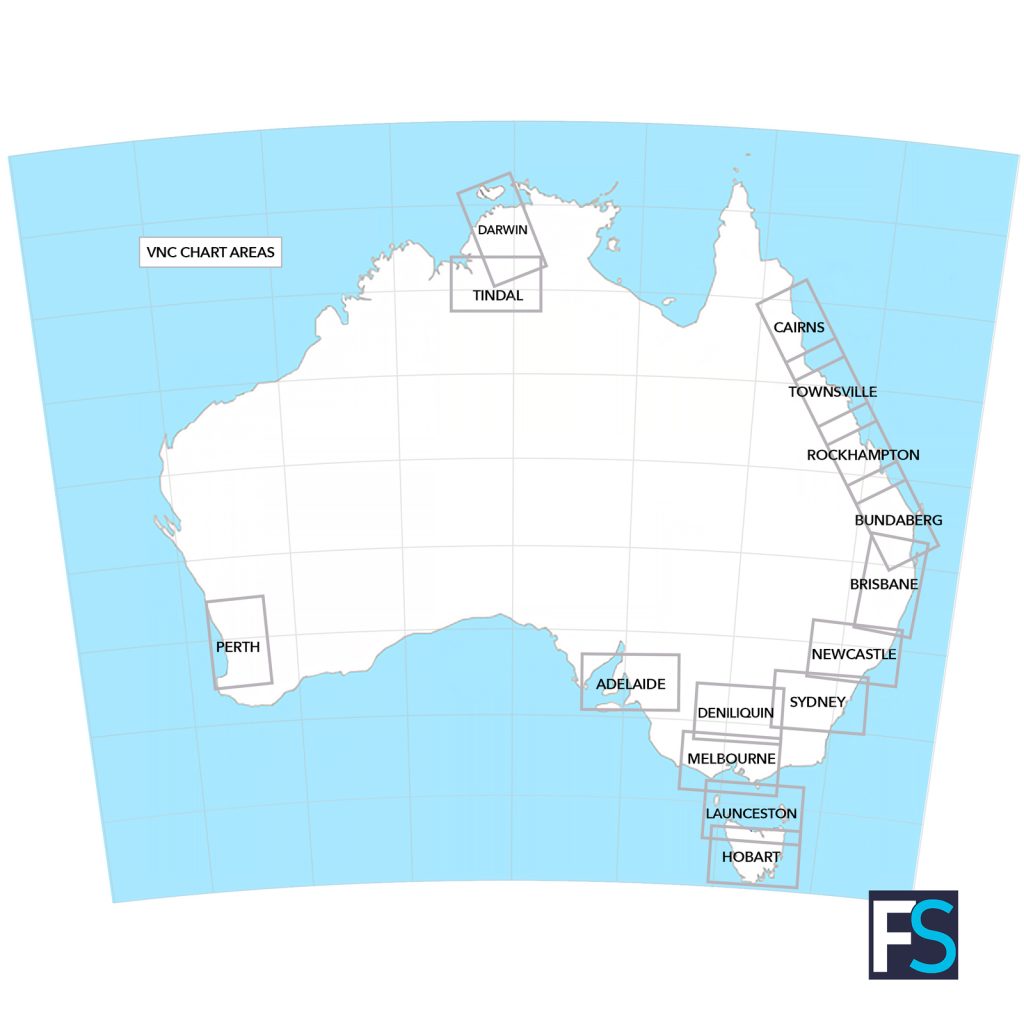
VNC Chart Areas
Control Zones:
They refer to specific airspace areas around an airport. Their designation as ‘Controlled’ is due to the high traffic volume and specific traffic patterns, necessitating traffic control assistance.
Typical, you’ll find the control zones around major airports handling routine passenger flights. Also, the areas may extend farther from the airports than expected, and you may be denied access if you don’t have Air Traffic Control consent.
Restricted Areas:
The NAA restricts drones from flying over specific airspace areas. For instance, the U.S. Federal Aviation Administration (FAA) prohibits flights over wildlife conservation areas. Obtain consent from the area’s relevant authorities.
The government may restrict drone flights over some locations, such as cultural treasures, nuclear facilities, special events, and government installations.
Military Operating Areas:
The military organizations that control an area can strictly prohibit drone flights in the area without their consent.
For instance, in 1993, the United Nations imposed flight restrictions over Herzegovina and Bosnia to protect civilians from human rights abuse.
Danger Areas:
Such airspace areas aren’t literally ‘no-fly ones,’ but their potential hazards keep drone pilots away. The most common dangers include demolitions, gas emissions, and firearms.
Can You Fly a Drone in a No-Fly Zone?
Yes, you can fly a drone in a no-fly zone with special permission from the relevant authorities. Otherwise, you’ll attract fines or legal charges.
How Do You Request No-Fly Zone Permission?
You can request special authorization to fly your drone over a no-fly area by:
- Applying through your local aviation authority.
- Providing your flight information.
- Demonstrating your commitment to safe and responsible flying.
However, you must plan early enough, as the process may take time.
Part 107 Certified in No-Fly Zone Drone Operation
The FAA offers a Remote Pilot Certificate to allow you to fly your drone under Part 107 (FAA’s Small UAS Rule). The certificate shows you understand the safe drone flying regulations, procedures, and operating requirements.
In the U.S., this certificate gives you more flexibility. It allows you to request waivers for restrictions such as no-fly zone drone flying. However, you must demonstrate a high degree of responsibility to obtain it.
What Are the Challenges of Flying Drones in Restricted Areas?
The main challenge of flying drones in restricted areas is understanding the airspace category’s detailed rules and the temporary order’s functionality. Be sure of your boundaries to avoid the penalties that come with violations. Conversancy with the guidelines ensures safe and responsible drone operation.
Stay informed about your limits while in the air. Going off-limits isn’t negotiable. Otherwise, you may attract unsafe situations or severe legal consequences.
Understand and stick to the rules’ purpose: They protect sensitive areas, ensure public safety, and prevent interference with manned aircraft.
Checking the latest airspace restriction updates when preparing your next flight and flying within the guidelines is advisable. That way, you can enjoy a safe, interruption-free drone flight.
Parting Shot
The dangers of ignoring no-fly zones when flying a drone include significant personal, legal, and financial effects.
Flying the gadget in restricted areas can fan terrorism and unauthorized surveillance, threaten national and public security, and interfere with people’s privacy.
Also, NFZ flights tarnish the drone industry’s image, prevent sustainable growth, and damage aircraft control systems. Additionally, ignoring sensitive areas during flights can disrupt critical services, increase the risk of accidents and collisions, and attract legal penalties.
Hence, you should avoid flying your drone in these areas to ensure your safety and that of others. However, you can do so after obtaining authorization from the authorities in charge.
HAPPY FLYING!
