Estimated reading time: 8 minutes
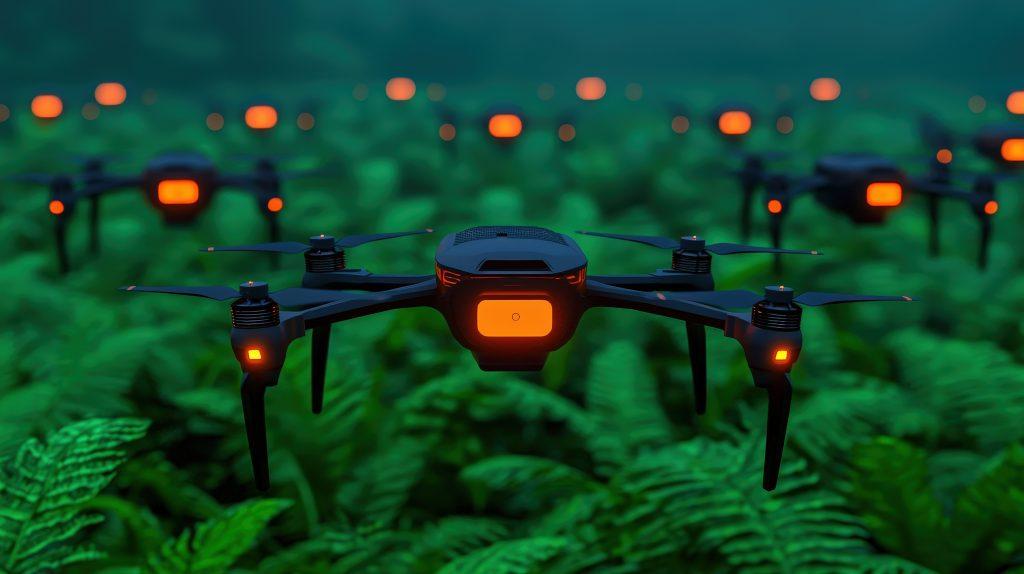
We have all seen drones flitting across the skies like little flying robots. These devices lend themselves to multiple use cases across an array of industries. Thankfully, drone technology isn’t left behind as the world becomes increasingly environment-conscious. Manufacturers now turn their focus to creating eco-friendly drones.
Environmentally friendly drones collect data more efficiently than satellites, which helps planners comprehend climate change and make appropriate decisions. To curb the climate crisis, they offer excellent autonomous solutions for reforestation, decarbonization, and forest growth.
These drones also deliver packages to the last leg, with less gas emissions than diesel trucks.
This article explores drones designed to be environmentally sustainable, including those built with eco-friendly materials, their significant characteristics, and more.
Let’s dive in.
What Are Eco-Friendly Drones?
Eco-friendly drones are unmanned aerial vehicles designed with a sustainability mindset. The design strategy entails developing drones using technology that aligns with sustainability goals, ensuring they pose no harm to the environment or the communities residing within these environments.
Consequently, eco-friendly drones display the following characteristics:
- Use technology that enables them to detect birds and wildlife to avoid collisions
- Use clean energy (energy from renewable sources such as solar power)
- Rely on autonomous operations, eliminating human error
- Are built using efficient infrastructure
- Have a lower carbon footprint
Note: A drone’s carbon footprint refers to emissions generated during production and usage. It depends on payload weight, the fuel, or energy used to charge and operate the drone, and battery life.
Noise pollution can disrupt wildlife communication or natural animal behavior. Using unclean energy can negatively impact the environment by producing large quantities of carbon dioxide (CO2) that trap heat in the atmosphere. That can lead to health issues, land and water pollution, workers’ exploitation, and people’s displacement.
The Environmental Footprint Aviation (EFA) plans to introduce a standardized assessment plan to ensure drones don’t negatively impact the environment.
The assessment plan will focus on emissions, energy sources, drone infrastructure, and noise pollution.
On the same note, drone manufacturers must regularly update their customers and operators on their aircraft’s environmental impact. The goal is to promote aerial mobility, eco-friendly skies, and drone sustainability.

Noise pollution can disrupt wildlife communication or natural animal behavior.
Amazon Prime is giving 6-month trial for $0
All 18-24 year-olds and students welcome.
Start your six month trial
What Makes a Drone Eco-Friendly?
Below are the factors that make drones eco-friendly:
- Renewable sources of energy
- Power management systems and highly efficient batteries
- Lower carbon emissions
- Sustainable designs
- Improved safety features
- Integration of artificial intelligence
- Lightweight composite materials
- Eco-friendly materials
Read on.
Renewable Sources of Energy:
Due to the desire to improve drone efficiency and minimize environmental impact, drone developers have designed drones that use clean energy.
Renewable energy sources like solar, wind, and electric systems have replaced non-renewable energy sources, shifting reliance on fossil fuels like coal.
Solar-powered drones have solar panels that capture sunlight and convert it to electricity. They can significantly extend flight durations and possess a superb carbon footprint. In addition, they are soundless and have minimal operational and maintenance costs. Their main downside is that the panels require a lot of space, increasing the aircraft’s size.
Electric systems are another viable option because they generate low to zero greenhouse gas emissions and produce minimal noise.
Power Management Systems and High-Efficient Batteries:
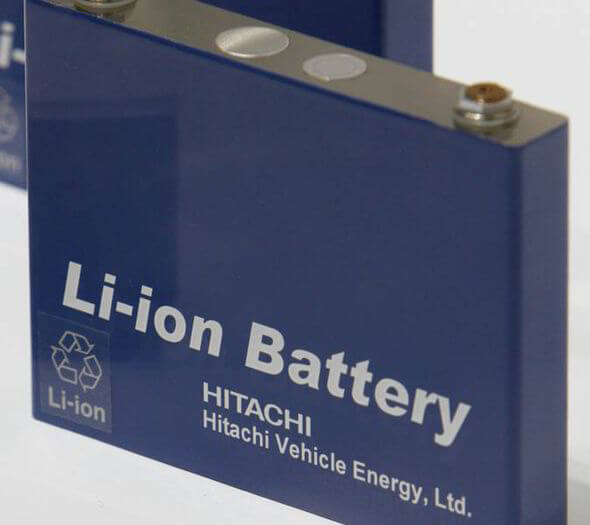
Developing drones with improved battery life and more power efficiency has been a real game changer in drone technology. While using lithium-polymer or lithium-ion batteries has improved lifespan and energy density, smart power management systems have boosted power efficiency, leading to energy optimization.
However, the push for more efficient and eco-friendly batteries has ushered in FC Systems or hydrogen fuel cells. Hydrogen FC drones use hydrogen gas and pose no noise or direct pollution.
Lower Carbon Emissions:
Unlike cars or conventional aircraft, drones are small, lightweight, and quiet, requiring less energy during operations. Consequently, they boast a lower carbon footprint.
With the evolution of battery technology, building energy-sufficient drones emitting less CO2 is now possible. That helps reduce air pollution. Furthermore, relevant bodies can monitor drone emissions with strict regulations, ensuring they don’t exceed the set limits.
The enhanced battery technology also leads to a longer battery life and improved power efficiency that boosts drone performance. Thanks to increased flight time, drones can now cover extensive areas and remain airborne for longer.
Sustainable Designs:
Sustainably designed drones are a boon for the environment. The approach entails designing drones with lighter materials, which results in lower energy requirements and elevated performance.
Innovations in motor technology have led to more efficiency and better performance. Moreover, the resultant reduction in energy consumption and noise pollution helps promote biodiversity and reduces disturbances to human and wildlife populations.
Another critical aspect is utilizing modular designs. The strategy boosts sustainability by minimizing waste; you only need to upgrade or replace damaged components.
Ultimately, all these design strategies help lower drones’ environmental impact.
Improved Safety Features:
Eco-friendly drones have enhanced safety features, making operations safer in specific environments. For instance, drones used for wildlife tracking and monitoring contain collision avoidance systems, helping to protect animals from collisions. Using sensors, they can detect obstacles (including wildlife) in real-time, allowing them to navigate around them with minimal risk of damage.
Safety features ensure that drone operators use their aerial machines safely and responsibly in different scenarios and environments, allowing them peace of mind.
Integration of Artificial Intelligence:
AI-powered drones come with additional benefits. They leverage AI algorithms to boost energy efficiency, optimize flight paths, operate more intelligently, and generally improve drone performance, reducing their environmental impact.
These drones have much higher levels of autonomy and efficiency, helping them make intelligent decisions and effortlessly adapt to environmental changes upon analyzing real-time data. Such drones are invaluable when performing particular tasks, such as automated inspections, disaster response, and autonomous navigation.

Lightweight Composite Materials:
Drone manufacturers increasingly use lightweight composite materials such as carbon fiber when constructing drones. Their strength and reduced weight enable UAVs to carry more weight, fly faster, endure longer flights, and deliver better fuel efficiency.
The composite materials are highly resistant to normal wear and tear, improving their longevity and durability, elevating performance, and making the drones more cost-effective.
Eco-Friendly Materials:
If a drone crashes in a remote location, its non-biodegradable makeup can negatively impact the surroundings through soil and water pollution. Thus, building drones using environmentally friendly materials is a significant step towards promoting a greener planet.
Eco-friendly drone materials are typically biodegradable. The drones are environmentally friendly because their components decompose quickly, making them easier to dispose of. You can simply dispose of them in the soil.
Using recycled materials is an additional step toward choosing sustainable, eco-friendly materials. Building drones from sustainable materials results in lower carbon emissions, which reduces their environmental impact.
Examples of drones made with highly innovative yet eco-friendly materials include:
- Malaysian engineers developed the Putra Unmanned Aerial Vehicle. The team created the recyclable and biodegradable aircraft using biodegradable materials, including pineapple leaves, which are 70% environmentally friendly. It flies to a maximum altitude of 1000 meters and stays in the air for about 20 minutes per charge. The drone is tougher, cheaper, lighter, and easier to dispose of.
- The Flying Fungus: NASA’s drone was developed using mycelium, a fungal material grown in a laboratory. Mycelium forms the chassis, while bacteria-grown cellulose sheets cover the craft’s body. However, some of the drone’s components, such as batteries, propellors, and controls, are non-biodegradable, but the company plans to make them degradable as well.
Using a 3D printer, you can design and print custom drone components. It’s an eco-friendly way of creating tailored drone elements while reducing waste. Use CAD software to design parts like the landing gear, motor, and camera mount.

Final Thoughts:
Drones gradually evolve from simple remote-controlled toys to sophisticated machines that can perform complex tasks. They have also become integral to our lives, helping us interact better with the world.
While they are great tools, it’s essential to use drones while conserving and sustaining the environment. Eco-friendly drones have a low negative environmental impact and minimal disturbance to wildlife, biodiversity, and ecosystems.
The future of drone technology looks bright. With increased investment in research and development of environmentally friendly drones and proper regulation, we can minimize drones’ negative impact, thereby enhancing environmental sustainability.
HAPPY FLYING!

“I appreciate the detailed explanation, very helpful!”