
Estimated reading time: 10 minutes
Flying drones in national parks offers unique opportunities for breathtaking aerial photography. However, these areas are heavily regulated to protect natural environments and ensure visitor safety, and ignoring the rules can lead to serious consequences. This guide explains the key regulations for flying drones in national parks, helping you avoid fines and operate responsibly.
Table of contents
- Why Drone Regulations Are Important in National Parks?
- The History Behind Drone Regulations in National Parks:
- Federal Laws Governing Drone Use in National Parks:
- Exploring Legal Alternatives to Flying Drones in National Parks:
- Permitted Drone Operations: Are There Exceptions?
- Understanding Airspace Classifications in National Parks:
- Impact of Drones on Wildlife and Natural Habitats:
- State-Specific Drone Laws That May Apply:
- How to Legally Film with Drones in National Parks?
- Restricted Areas: National Monuments and Wilderness Zones:
- Ethical Drone Practices for Outdoor Enthusiasts:
- Navigating FAA Regulations Beyond National Parks:
- Tools and Resources for Planning Drone Activities:
- How does National park Educate the Public About Drone Restrictions?
- Understanding Seasonal Considerations for Drone Flights:
- Consequences of Ignoring Drone Rules in National Parks:
- Summary:
Why Drone Regulations Are Important in National Parks?
Drones pose a significant risk to the delicate ecosystems of national parks. The noise they produce often disturbs wildlife, especially species that rely on silence during breeding seasons. For example, birds such as bald eagles are easily spooked by loud sounds.
Disturbances like these can lead to abandoned nests and lost hatchlings. Protecting wildlife is a priority for the National Park Service (NPS), which enforces strict no-drone rules.
Drones also interfere with the visitor experience. Many people visit parks for peace and solitude, not to hear buzzing from overhead devices. Public safety is another key concern.
Drone crashes can endanger people on trails or at popular landmarks. As a matter of fact, the NPS prohibits drones from balancing conservation with visitor enjoyment.

The History Behind Drone Regulations in National Parks:
The ban on drones in national parks has a significant backstory rooted in protecting natural areas. Before 2014, drone use in parks was largely unregulated, and this caused growing concerns. Operators often flew drones too close to wildlife, historic sites, and visitors, leading to increased accidents and disturbances.
One notable example involved drones scaring animals in Yellowstone National Park, disrupting herds of bison and elk. Also, cultural landmarks, such as Native American archaeological sites, were threatened by careless flights. As drone technology advanced, the National Park Service (NPS) faced mounting pressure to address the issue.
In 2014, the NPS formally issued a ban on recreational drone use under 36 CFR 1.5. This regulation aimed to safeguard both wildlife and visitors. Of course, drones are still allowed for limited purposes, such as search-and-rescue missions or scientific research, but these require explicit approval.
This historical context underscores why these regulations exist today. Understanding the evolution of drone laws highlights their necessity for protecting the pristine environments and cultural heritage of national parks.
Federal Laws Governing Drone Use in National Parks:
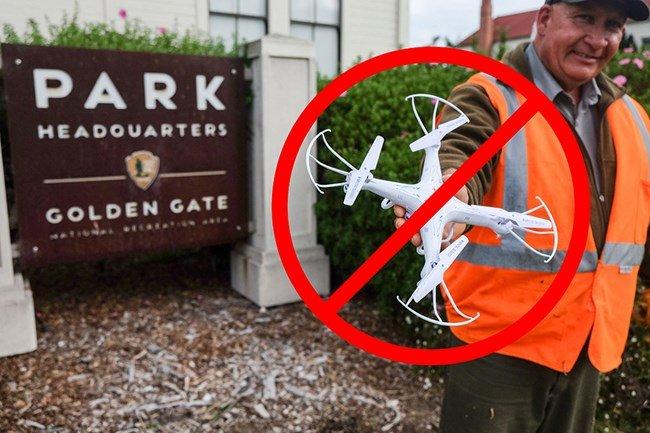
The NPS enforces federal laws under the Code of Federal Regulations (CFR), specifically 36 CFR 1.5. This blanket regulation bans recreational drone use in all national parks. The prohibition applies to all types of drones, regardless of size or purpose.
The only exceptions to this rule involve cases where drones serve the public good, such as emergency operations or park management tasks. Without an official exception, operating a drone in a national park is illegal.
Rangers frequently patrol popular areas, and violators face penalties, including fines, confiscation of drones, and legal action. Not to mention, breaking these laws damages the reputation of responsible drone enthusiasts.
Exploring Legal Alternatives to Flying Drones in National Parks:
For those eager to capture breathtaking footage, alternatives exist outside national parks. Many areas near parks allow drone flights without violating regulations. For instance, Bureau of Land Management (BLM) lands often permit drone use and offer stunning scenery comparable to national parks.
Amazon Prime is giving 6-month trial for $0
All 18-24 year-olds and students welcome.
Start your six month trial
Operators can also explore state parks where drones are allowed under certain conditions. Checking local laws beforehand ensures compliance. Similarly, private property with the landowner’s permission offers another safe option for filming.
Through exploring these alternatives, drone enthusiasts can enjoy their hobby while respecting the regulations that protect national parks. In contrast to illegal flights, these legal options ensure you capture incredible views responsibly.
Permitted Drone Operations: Are There Exceptions?
Although the general ban applies, the NPS allows drones for specific, authorized purposes. One key exception is scientific research. Researchers studying wildlife, vegetation, or geology may receive permission to use drones if it benefits the park’s mission.
Commercial filmmakers may also apply for special use permits (SUPs). These permits are difficult to obtain and require detailed plans outlining flight paths, safety measures, and environmental impacts.
Similarly, permits are occasionally issued for search-and-rescue operations or emergency response. Besides needing a valid justification, permits must meet stringent safety and ethical standards.
For most hobbyists, exceptions are rare. Always confirm whether a permit is required before planning a drone flight.
Understanding Airspace Classifications in National Parks:
The airspace above national parks can be complicated to navigate. Many parks are located within controlled or restricted airspace, requiring special permission to fly. For instance, parks near busy airports may fall under controlled airspace, where flights are regulated to prevent interference with commercial planes.
While less restrictive, uncontrolled airspace still requires compliance with Federal Aviation Administration (FAA) rules. Another key point to consider is Temporary Flight Restrictions (TFRs), which may be issued for special events or emergencies. Violating these restrictions can lead to hefty fines.
Using apps like B4UFLY or AirMap helps drone operators identify restricted areas. With this in mind, always check airspace classifications before flying near national parks.

Impact of Drones on Wildlife and Natural Habitats:
Drones can cause serious harm to wildlife in national parks. Animals perceive drones as threats, even if operators have no intention of causing harm.
Birds are especially vulnerable, as the noise and motion of drones often lead to disrupted nesting or migration patterns.
For example, studies indicate that drone activity near raptor nests can trigger abandonment, leaving young birds vulnerable to predators. Similarly, mammals like elk and bison may react aggressively or flee when drones approach. These disruptions strain animals’ energy reserves and compromise their survival.
In contrast, the absence of drones ensures that wildlife can thrive undisturbed. The NPS bans drones to minimize human impact and maintain natural habitats.
State-Specific Drone Laws That May Apply:
Although federal laws govern drone use in national parks, some states impose additional restrictions. California, for example, has strict regulations for drones near beaches and wildlife refuges, which may overlap with national park boundaries.
On the other hand, some states allow limited recreational drone use in state-managed parks. These state-level rules typically differ from federal policies, creating confusion for operators.
Nevertheless, ignorance of state laws does not exempt operators from penalties. Researching local regulations is vital when planning flights near parks.
How to Legally Film with Drones in National Parks?
Filming in national parks with drones requires a Special Use Permit (SUP) from the NPS. These permits are mandatory for both commercial and personal projects involving drone footage. Applicants must submit detailed flight plans, including safety measures and environmental precautions.
Besides the permit, drone operators need FAA certifications, such as the Remote Pilot Certificate, to operate in U.S. airspace legally. Filming permits are often denied if they pose risks to wildlife, visitors, or cultural landmarks. In short, obtaining legal approval for drone filming in national parks demands careful planning and adherence to regulations.
Restricted Areas: National Monuments and Wilderness Zones:
Drones are strictly prohibited in national monuments and wilderness zones. These areas receive additional protection under the Wilderness Act and related legislation. Drones disrupt the natural soundscape, a vital part of the wilderness experience.
Wilderness zones also harbor sensitive ecosystems where drones may cause irreversible damage. For instance, flying drones in national parks can lead to trampling if operators retrieve crashed devices. Penalties for operating drones in restricted zones include steep fines and potential bans from public lands.
Ethical Drone Practices for Outdoor Enthusiasts:
Flying drones ethically involves more than following legal rules. Respecting nature and other visitors is equally important. Avoid flying over crowded trails, campsites, or sensitive habitats.
Drones can invade privacy, creating discomfort for those enjoying the outdoors.
As an illustration, imagine a family hiking to a serene waterfall, only to hear the constant buzz of a drone. Such situations tarnish the visitor experience. Ethical drone practices prioritize environmental protection and respect for others’ enjoyment.
Navigating FAA Regulations Beyond National Parks:
Drone operators must comply with FAA Part 107 regulations outside national parks. These rules govern drone use across the U.S., including altitude limits, line-of-sight requirements, and restrictions on nighttime flights.
Operators must also register drones weighing over 0.55 pounds (0.25 kg) and display the registration number on the device. These regulations apply universally, reinforcing the importance of safe and responsible flying. Hence, understanding FAA rules is important for all drone enthusiasts.
Tools and Resources for Planning Drone Activities:
Planning drone operations requires a few steps. Firstly, you should make sure your gear is safely packed for transport. My Brooks Moving has many resources for packing sensitive equipment.
Proper handling protects your drones, cameras, and accessories, ensuring they’re ready for use upon arrival.
Second, many online tools can help with planning. Apps such as AirMap and B4UFLY provide real-time updates on airspace restrictions and weather conditions. FAA websites offer comprehensive guides on drone laws, including maps of no-fly zones.
Third, be sure to check out any specific regulations. The NPS website also lists park-specific drone policies. Leveraging these resources helps drone operators avoid violations and identify alternative locations for safe flying. Proper planning allows you to achieve your goals without breaking rules or endangering wildlife.
How does National park Educate the Public About Drone Restrictions?
National parks work diligently to inform the public about drone restrictions. They use signage, visitor centers, and digital platforms to spread awareness. For example, prominent “No Drone Zone” signs greet visitors at park entrances and along popular trails.
Educational programs are another key method. Rangers often explain drone rules during guided tours or at visitor events. As an illustration, parks such as Zion and Yosemite host talks about the importance of protecting wildlife from human interference. By addressing drones in these discussions, rangers help visitors understand the environmental impact of these devices.
The NPS also leverages social media to communicate rules. Posts frequently remind followers that drone use in parks is illegal without a special permit. Besides promoting awareness, these efforts reduce accidental violations.
Despite these measures, some visitors still ignore or misunderstand the rules. Continued education remains essential to ensuring compliance and preserving the natural tranquility of parks for all to enjoy.
Understanding Seasonal Considerations for Drone Flights:
The time of year can significantly impact drone operations near regulated areas, including parks and alternative locations. Seasonal changes in weather, wildlife activity, and regulations should influence your planning.
For instance, spring and summer often see an increase in wildlife activity, such as nesting or migration. Flying during these times may disrupt animals, even in areas where drones are permitted. As a matter of fact, some regions impose temporary restrictions during sensitive seasons to protect wildlife.
The weather is also important. Winter winds or summer heat can affect drone performance, battery life, and flight stability. Checking seasonal forecasts ensures safe operation.
Similarly, snow-covered landscapes or autumn foliage can provide stunning visuals, making off-peak seasons an ideal time for drone photography.
With this in mind, researching seasonal conditions and adjusting your plans helps you make the most of drone-friendly areas while minimizing risks to the environment and your equipment.

Consequences of Ignoring Drone Rules in National Parks:
Ignoring drone laws in national parks can have serious consequences. Violators face fines ranging from hundreds to thousands of dollars, depending on the severity of the infraction. Confiscation of drones and legal action are also common.
For example, a tourist fined for flying a drone near Yellowstone’s Grand Prismatic Spring paid over $1,000 in penalties. Repeat offenses may result in losing FAA certifications or receiving bans from public lands. In short, following regulations avoids legal trouble and supports conservation efforts.
Summary:
Flying drones in national parks offers exciting possibilities but requires strict adherence to regulations. These laws protect natural environments, wildlife, and public safety.
You should understand the rules for flying drones in national parks ensures legal compliance and supports conservation goals. By respecting these guidelines, drone operators contribute to preserving the beauty and serenity of national parks for future generations. Good luck with planning your next drone.
HAPPY FLYING!
