
Estimated reading time: 6 minutes
Sherpas are highly regarded as expert mountaineers who help visitors settle down on Mount Everest and ensure cleanliness. However, the sheer volume of waste has become overwhelming, challenging, and dangerous to carry in the icy environment.
As a result, the authorities intend to deploy heavy lifter drones to transport the garbage. The multi-billion dollar question is; will drones replace Sherpas on Mt. Everest?
Drones won’t replace sherpas on Mount Everest. Although Sherpas help collect trash, their primary responsibility is to carry the visitors’ gear to any of the mountain’s five campsites and set up the area before the client’s arrival.
Drone deployment will only ease garbage removal from the mountain’s slopes, but some Sherpas are needed to operate the gadgets.
This article sheds light on using a heavy lifter drone on Mt. Everest.
Read on.
Table of contents
Will Drones Replace Sherpas on Mt. Everest?
Using drones on Mount Everest for garbage collection won’t replace Sherpas, but may reduce their numbers.
Although these experts gather litter left behind by their clients, their role is to guide visitors to the camps and set up the place for them.
Are Drones Allowed in Everest Base Camp?
Yes, drones are allowed in Everest Base Camp if you have a Drone Permit and a Film Permit. They function exceptionally well at the altitude, and the flight experience provides a fantastic area view and incredible footage.
On another note, recent regulations require climbers to carry their litter on departure or lose their deposit.
Even so, debris from decades of expeditions has accumulated heavily, creating frozen waste layers at the inhospitable 8,000-meter altitude. They comprise old tents, gas, cartridges, food packaging, discarded ropes, and other gear.
Extreme conditions at the height, such as deficient oxygen levels and unpredictable weather, pose challenges to human porters’ cleaning operations.
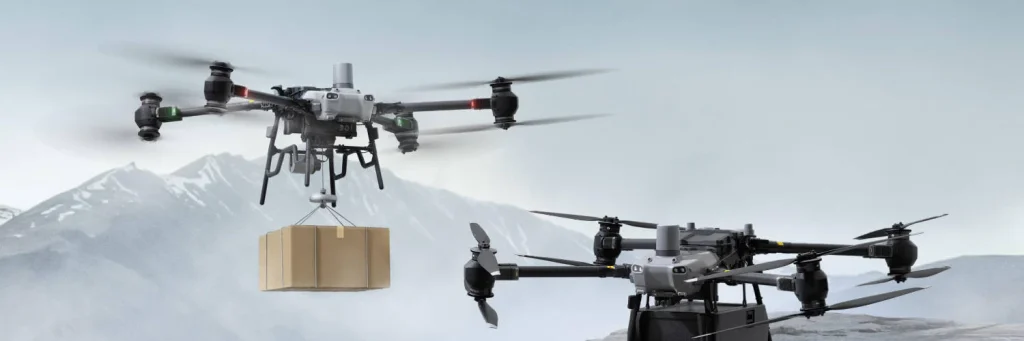
Consequently, the relevant authorities have decided to deploy the DJI’s heavy lifter, FlyCart 30, to curb the situation.
Amazon Prime is giving 6-month trial for $0
All 18-24 year-olds and students welcome.
Start your six month trial
DJI FlyCart 30 is designed to revolutionize Mt. Everest mountaineering, saving lives and enhancing Sherpas’ safety.
The Nepalese authorities conducted successful tests last spring and approved the model’s use for gear transportation and trash retrieval between Camp and Camp 1.
DJI FlyCart 30 will start moving garbage 22,349 feet south of Everest (Ama Dablam) this fall. It’ll be the pioneering unmanned aerial vehicle for commercial operation in Nepal’s high ranges.
Drone deliveries will be significant in the next Everest climbing season (March to May 2025). They’ll fill the air, carrying supplies and waste, significantly reducing casualties on the mountain.
An MoU has been signed to enforce drone technology across other Khumbu region peaks.
What Next for Mount Everest Sherpas?
It isn’t over for the Sherpas at Mt. Everest! Instead, it’s time for them to move on to more skilled tasks.
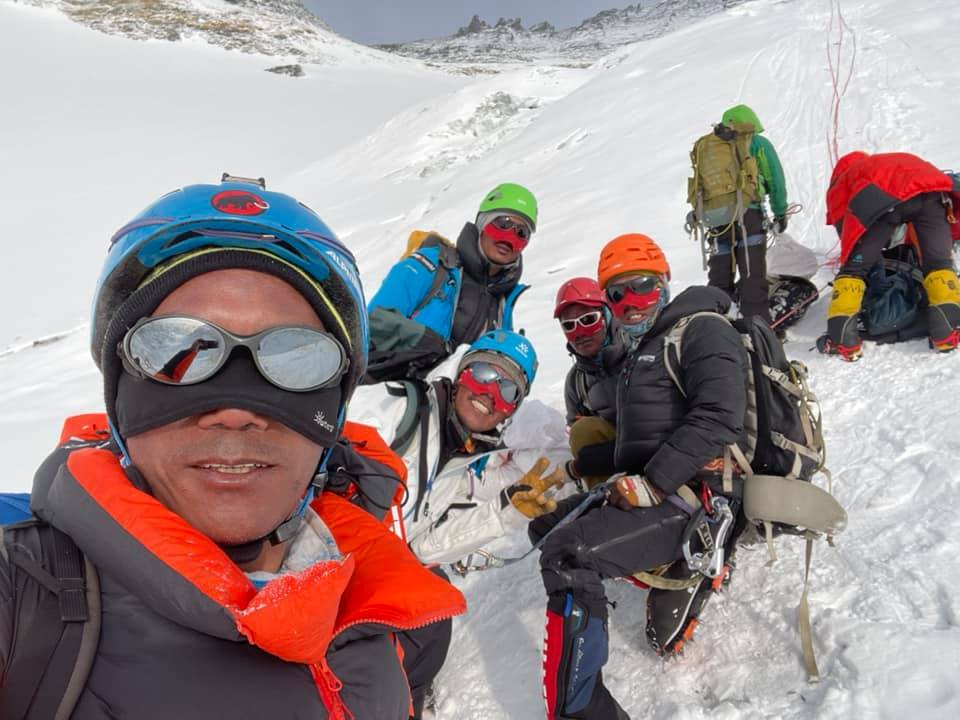
Sherpas will be trained to operate drones and will be responsible for all mountaineering tasks in the future.
While it appears that the cargo drones are here to get rid of human porters, their deployment aims to reduce potential deaths in the dangerous Khumbu Icefall zone.
What Are the Benefits of Using Drones on Mt. Everest?
Using drone services on Mount Everest has two primary benefits, as discussed below:
Reduced Icefall Risk:
Drone technology application on Mt. Everest will reduce icefall-related risks by minimizing the Sherpas crossing the hazardous Khumbu Icefall (a continuously shifting ice river) between Base Camp and Camp 1.
The Icefall comprises about 1 km of ice block maze and hanging seracs. It’s so threatening that experienced Sherpas and guides avoid it during the daytime because of the sun’s heat, fearing the ice sliding.
The best ascent time is early morning when the ice is most stable.
Trash-removing Sherpas cross Khumbu Icefall about 30 times a season to remove debris from the mountaintop.
About 50 people have died when navigating the risky area since Mount Everest’s first submission in 1953.
Heavy lifter cargo drones are an ideal and safer alternative to human carriers (Sherpas).
Increased Efficiency:
Drones will enhance efficiency by significantly reducing the time it takes to transport supplies and garbage and carry considerably more load than Sherpas.
For instance, the long-distance heavy lifter DJI FlyCart 30 moved 516 pounds per hour during the test between Camp 1 and Base Camp. At least 14 Sherpas take 6 hours to complete the same task.
Government rules also restrict human high-altitude loads, increasing their inefficiency. In this case, drones become the better option.
Conclusion:
Drones won’t kick out Sherpas from Mt. Everest. The authorities intend to deploy these machines to lower human porters’ death risks when working on the mountain.
Although the drones will do part of what Sherpas previously did, the individuals will receive training on using them. They’ll have full control of the mountain climbing activities in the future, risk-free.
Also, drone deployment will increase efficiency, as they’re faster and carry heavier loads than humans.
The heavy lifters will revolutionize supplies and garbage transport and ensure the Sherpas’ safety.
The DJI FlyCart 30 drone is one of the approved heavy lifter models. During the test, it flew up to 6,191.8 meters on Mt. Everest.
FAQs
Do Sherpas Climb on Mount Everest Top?
Yes, Sherpas climb to the top of Mt. Everest top. Apa Sherpa reached the mountain’s peak on May 11, 2011, for the twenty-first time. He’s the most successful climber; his first ascent was in 1989 at age 29.
Why Are Sherpas So Strong?
Sherpas are so strong because they have lived in high-altitude areas for years. Their physiological adaptations strengthen them against high-altitude effects like low oxygen. They started mountain climbing early by accompanying expert mountaineers on expeditions.
Do Sherpas on Mount Everest Use Oxygen?
No, Sherpas on Mount Everest don’t use oxygen. This ethnic group from Nepal’s mountain regions is exceptional. Unlike other experienced climbers, they cope with the high altitude conditions without experiencing health problems.
Can a Drone Fly to the Top of Mount Everest?
Yes, a drone can fly to the top of Mt. Everest. DJI Mavic 3 Pro is on record for ascending 3.5 kilometers from the Base Camp to the peak.
HAPPY FLYING!
