Estimated reading time: 11 minutes
Drones have transformed many industries, and inspection work is one of the most practical applications. Whether for infrastructure, real estate, environmental monitoring, or industrial maintenance, drones provide an efficient, safe, and cost-effective way of inspecting hard-to-reach places.
Traditional inspection methods often require scaffolding, climbing, or expensive machinery, whereas drones eliminate many challenges. With high-resolution cameras, thermal imaging, and real-time data collection, drones have become essential for modern inspections.
Table of contents
- Reducing Risks in Dangerous Environments:
- Improving Efficiency and Speed:
- Enhancing Data Collection with Advanced Technology:
- Cost-Effective Inspection Solutions:
- Inspecting Infrastructure with Greater Precision :
- Inspecting Hard-to-Reach Places: Assessing Industrial Facilities and Equipment-
- Surveying Roofs and Gutters Without Damage:
- Inspecting a House Before Buying It:
- Monitoring Environmental Conditions and Conservation Areas:
- Detecting Issues in Wind Turbines and Solar Panels:
- Inspecting High-Rise Buildings and Skyscrapers:
- Revolutionizing Disaster Response and Recovery:
- Enhancing Agricultural Inspections and Crop Management:
- Boosting Maintenance of Telecommunications Towers:
- Inspecting Chimneys, Silos, and Narrow Structures:
- Mapping and Surveying for Construction Sites:
- Helping Cities Monitor Urban Infrastructure:
- Supporting Insurance Claims and Assessments:
- Inspecting Hard-to-Reach Places: The Future of Drone Inspections-
- Assisting Law Enforcement and Emergency Inspections:
- Supporting Historical Preservation and Cultural Heritage Projects:
- Improving Utility Line Maintenance in Remote Areas:
- Tracking Structural Shifts in Large-Scale Construction:
- Inspection Made Easy:
Reducing Risks in Dangerous Environments:
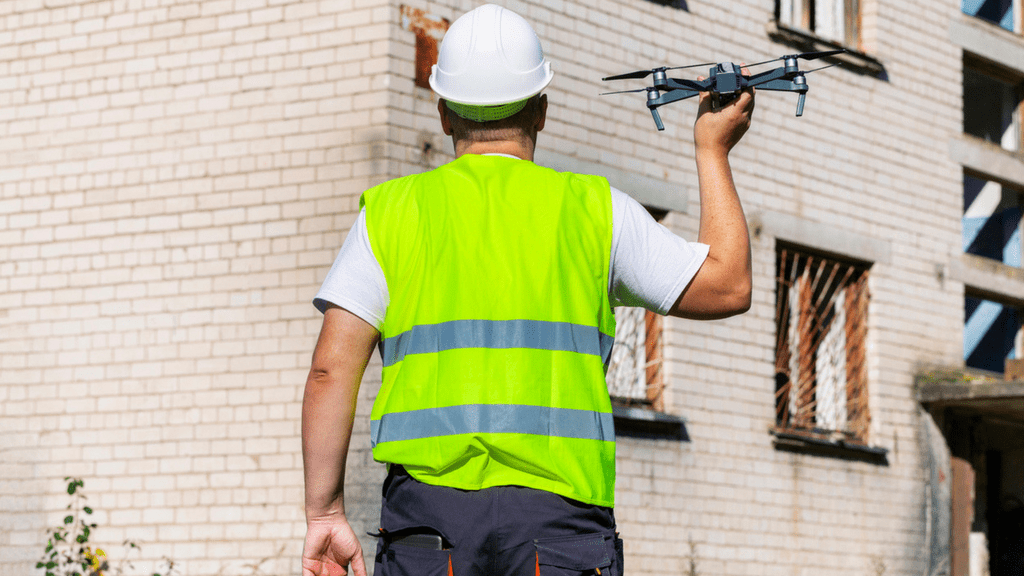
Many inspection tasks require accessing hazardous areas, such as high rooftops, bridges, or industrial chimneys. In the past, these inspections relied on human workers using ladders, ropes, or heavy equipment. That puts inspectors at risk of falls, exposure to toxic substances, or structural failures.
Drones minimize these risks by allowing operators to remain safely on the ground while obtaining detailed visual data from above. That protects workers, helps businesses, and reduces company liability and insurance costs.
Improving Efficiency and Speed:
Traditionally, inspecting hard-to-reach places can be time-consuming, requiring setup, permits, and extensive labor. Drones drastically reduce the time needed to inspect a site. With their ability to quickly navigate complex structures, they can complete assessments in a fraction of the time.
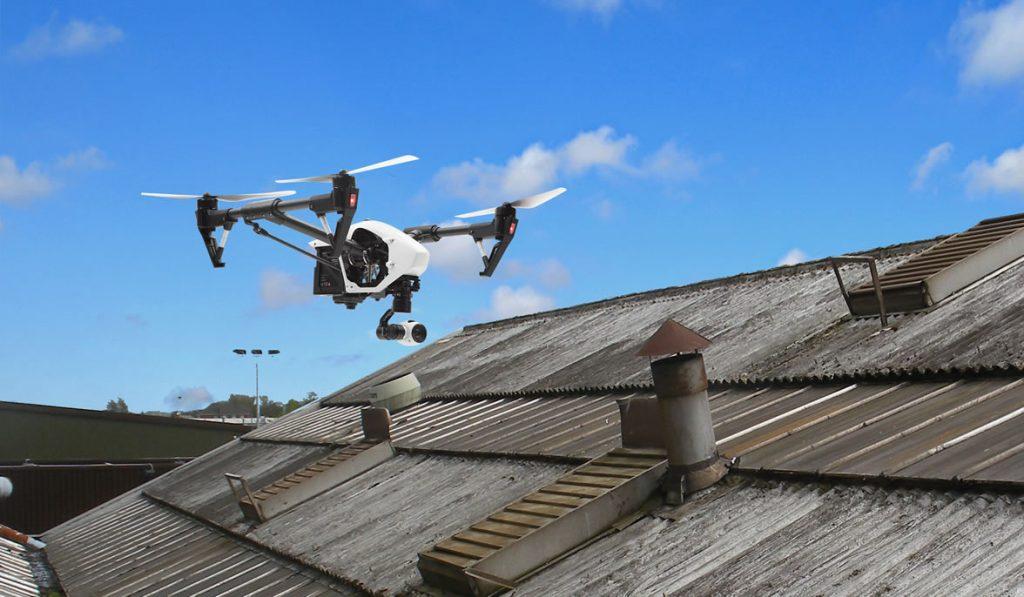
For example, a drone can complete a roof inspection that might take hours using a ladder and safety harness in minutes. This increased efficiency allows frequent inspections, leading to better maintenance and early issue detection.
Enhancing Data Collection with Advanced Technology:
Drones are equipped with cutting-edge technology that enhances inspection accuracy. High-resolution cameras provide clear images and video, while infrared sensors detect temperature variations that might indicate leaks, insulation failures, or electrical issues.
Some drones also use LiDAR (Light Detection and Ranging) to create precise 3D maps of structures. These advanced features make drones an indispensable tool for detailed and reliable inspections.
Cost-Effective Inspection Solutions:
Using drones for inspections significantly reduces costs. Traditional inspections often require renting heavy equipment, hiring specialized workers, or temporarily shutting down operations.
Drones eliminate many of these expenses while providing even more detailed results. Companies and homeowners can benefit from the cost savings, making drone inspections attractive for various applications.
Inspecting Infrastructure with Greater Precision:
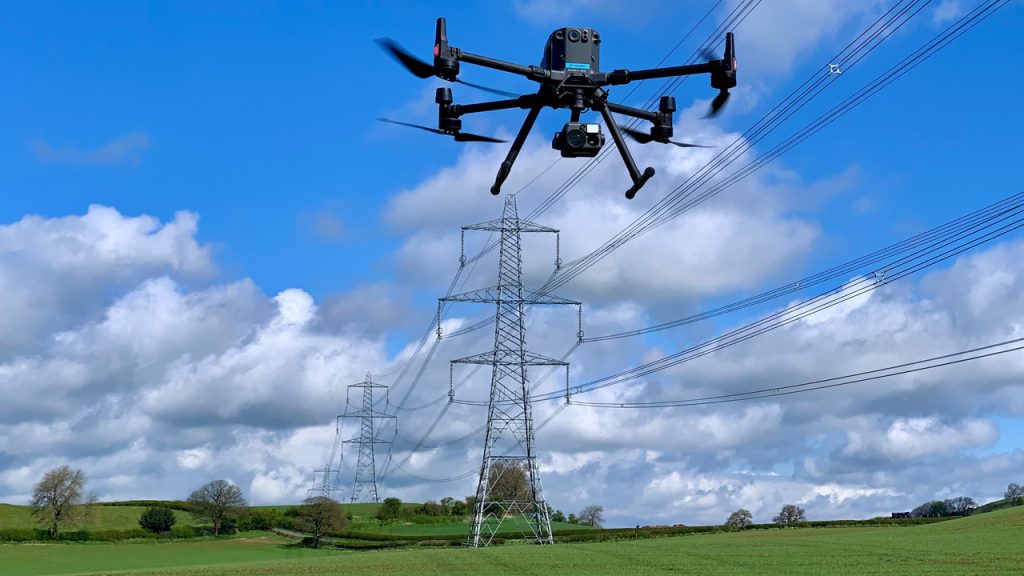
Drones are particularly valuable in inspecting bridges, highways, and power lines. These structures are typically expansive and difficult to access, making manual inspections slow and expensive.
Drones can quickly fly around these structures, capturing high-definition images that reveal cracks, corrosion, or other issues. That allows for proactive maintenance, reducing the risk of catastrophic failures and improving public safety.
Amazon Prime is giving 6-month trial for $0
All 18-24 year-olds and students welcome.
Start your six month trial
Inspecting Hard-to-Reach Places: Assessing Industrial Facilities and Equipment-
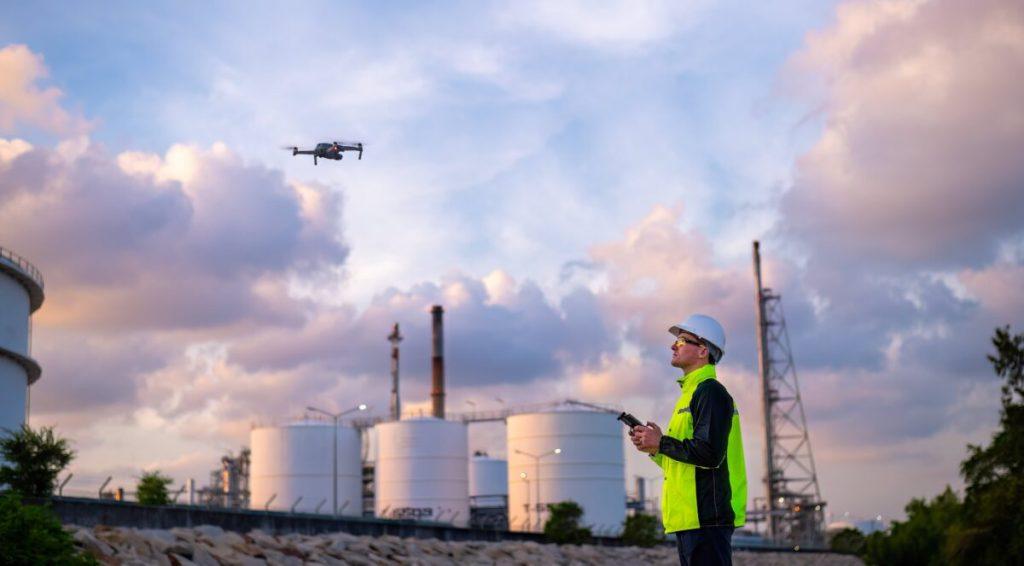
Manufacturing plants, oil refineries, and power stations require regular inspections to ensure operational safety. Drones allow inspectors to assess these facilities without disrupting operations. They can check for structural weaknesses, monitor machinery, and detect leaks or overheating components. This non-intrusive method ensures continuous productivity while maintaining high safety standards.
Surveying Roofs and Gutters Without Damage:
Roof inspections are one of the most common uses for drones. Whether for routine maintenance or post-storm damage assessment, drones provide clear aerial views of shingles, flashing, and gutters without climbing. That reduces the risk of accidental roof damage and accelerates the evaluation process.
Homeowners, contractors, and insurance adjusters benefit from this quick and efficient approach to inspecting hard-to-reach places.
Inspecting a House Before Buying It:
When buying a home, it’s essential to look beyond what’s visible during a basic walk-through and assess hard-to-reach areas like the roof, chimney, and upper siding. These spots often go unchecked but can reveal major issues that impact the home’s safety and value.
A drone inspection offers a close-up, high-resolution view of these critical areas, giving buyers a clearer picture of the property’s overall condition.
So during this process, pay close attention to the features you should consider. Look at roof integrity, signs of water damage, maintenance history, and overall structural soundness. By evaluating these key features with the help of drone technology, buyers can avoid costly surprises and invest confidently.
Monitoring Environmental Conditions and Conservation Areas:
Drones play a vital role in environmental monitoring, allowing scientists and conservationists to track ecosystem changes. They can access remote locations, providing aerial imagery of forests, wetlands, and coastlines. This data helps assess deforestation, wildlife populations, and the effects of climate change.
Drones also help detect illegal activities, such as poaching or unauthorized land development, making them a valuable tool in conservation efforts.
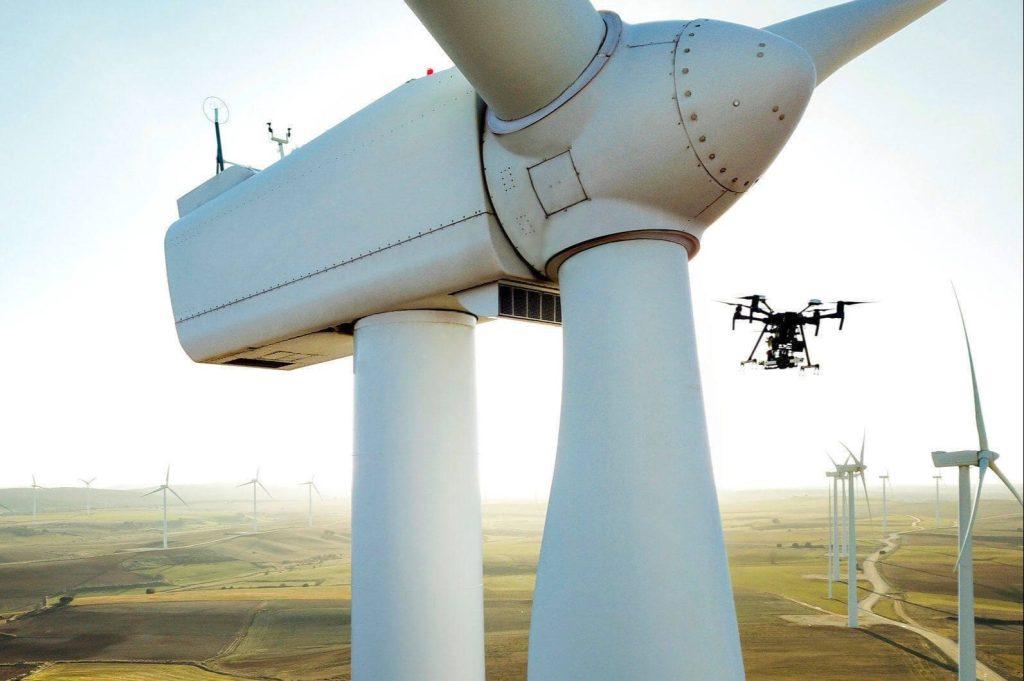
Detecting Issues in Wind Turbines and Solar Panels:
Renewable energy sources like wind and solar require regular inspections to maintain efficiency. Wind turbines are tall and often located in remote areas, making manual inspections challenging.
Drones can easily fly to turbine blades and detect damage like cracks or erosion. Similarly, they can survey large solar farms to identify faulty panels or debris that may obstruct sunlight. This proactive approach ensures that renewable energy systems operate at peak performance.
Inspecting High-Rise Buildings and Skyscrapers:
Skyscraper maintenance presents a significant challenge due to their height and design complexity. Traditionally, inspections required scaffolding, cranes, or window-washing platforms.
Drones streamline this process by capturing detailed images of facades, windows, and structural elements. Building owners can use this data to plan maintenance without costly and time-consuming preparations. That makes drones an invaluable asset for managing high-rise structures efficiently.
Revolutionizing Disaster Response and Recovery:
Drones have become indispensable tools in disaster response efforts. When natural disasters like hurricanes, earthquakes, or wildfires strike, accessing affected areas can be dangerous and slow.
Drones can be deployed immediately to assess damage, identify trapped individuals, and provide first responders with real-time information. This rapid assessment allows for better resource allocation and faster recovery efforts.
Enhancing Agricultural Inspections and Crop Management:
Farmers and agricultural experts increasingly use drones to monitor crop health and irrigation efficiency. Drones with multispectral sensors can detect plant stress, pest infestations, and soil moisture levels.
This data allows farmers to apply fertilizers, pesticides, and water more efficiently, leading to higher yields and reduced costs. By pinpointing specific areas that need attention, drones contribute to more sustainable farming practices.
Boosting Maintenance of Telecommunications Towers:
Telecommunication towers require regular inspections to ensure connectivity and performance. Climbing these towers is risky and time-consuming.
Drones can inspect antenna systems, cabling, and tower structures within minutes. They capture detailed footage from all angles. Any misalignments or damage are quickly identified, reducing downtime and improving service reliability.
Inspecting Chimneys, Silos, and Narrow Structures:
Drones can access narrow or vertical spaces with ease. Chimneys, silos, and storage tanks are often too dangerous for human entry. With drones, inspectors get close-up visuals without putting anyone at risk.
They can fly into tight spaces, identify cracks, corrosion, or blockages, and return safely. That is particularly useful in older factories and processing plants.
Mapping and Surveying for Construction Sites:
Construction professionals use drones for site surveys and progress reports. Drones can map large areas quickly. They help engineers verify measurements, track material placement, and monitor timelines, which prevents delays and reduces costly mistakes.
Drones are also great for creating 3D models and informing stakeholders with updated visuals.

Helping Cities Monitor Urban Infrastructure:
City planners and engineers use drones to monitor roads, tunnels, and bridges. Over time, these structures wear down. Drones help spot early signs of damage.
Small cracks or loose fittings are easy to overlook from ground level. Drones can scan more surface area from the air, helping municipalities plan repairs before problems worsen.
Supporting Insurance Claims and Assessments:
Insurers need visual proof to process claims after a storm, fire, or accident. Drones provide quick and clear footage of affected properties, accelerating the claims process and reducing disputes.
Insurance companies use drones to confirm the cause and extent of the damage. Property owners can also request drone footage for documentation.
Inspecting Hard-to-Reach Places: The Future of Drone Inspections-
As drone technology continues to evolve, their inspection capabilities will only expand. Advances in artificial intelligence and automation will enable drones to conduct even more complex assessments without human intervention.
Self-navigating drones with AI-driven analysis can detect defects and provide real-time repair recommendations. These innovations will improve drone-based inspections’ accuracy, efficiency, and affordability across multiple industries.
Assisting Law Enforcement and Emergency Inspections:
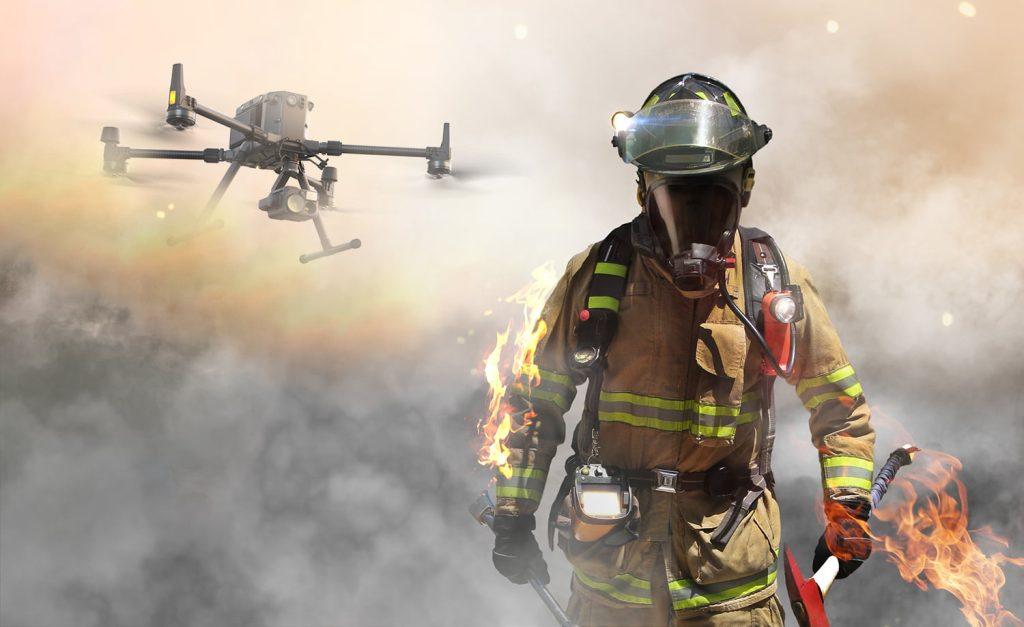
Drones are important for law enforcement agencies and emergency service teams, particularly for rapid inspections in unpredictable or potentially hostile environments.
Sending personnel into the field during active crime scenes, hostage situations, or dangerous terrain rescues can be highly risky. Drones act as the eyes in the sky, providing real-time intelligence without putting lives on the line.
Drones equipped with zoom lenses, thermal sensors, and night-vision capabilities allow authorities to inspect buildings, search large areas, or track suspects more precisely. For example, drones can be deployed after a car crash to survey road damage and traffic conditions before first responders arrive.
In the aftermath of an explosion or fire, drones can assess structural stability, helping determine whether it’s safe for personnel to enter a building.
Supporting Historical Preservation and Cultural Heritage Projects:
Drones are increasingly being used in historical preservation and cultural heritage management. Many historical landmarks, ancient ruins, and archeological sites are fragile and often located in remote or inaccessible areas.
Due to their delicate state, traditional inspection methods may risk causing physical damage or simply be unfeasible. Drones offer a safe, non-invasive solution to document and monitor these cultural treasures from above.
They can capture high-resolution imagery and video footage and even create 3D reconstructions of monuments or ruins. That allows preservation experts to assess erosion, weather-related wear, or vandalism without setting foot on sensitive terrain.
In archeological contexts, drones can scan large areas for site mapping, revealing previously undiscovered patterns or foundations through aerial perspectives. When paired with thermal or multispectral imaging, drones can even help detect buried structures or artifacts by identifying subtle variations in soil or vegetation.

Improving Utility Line Maintenance in Remote Areas:
Drones are making a significant impact on maintaining utility lines, especially in remote or rugged terrain. Power lines, water pipelines, and telecommunications cables often run through forests, mountains, or hard-to-reach rural areas.
Manually inspecting them can take days and require all-terrain vehicles, helicopters, or even climbing gear. With drones, utility companies can survey miles of infrastructure in a single flight. They can spot sagging wires, vegetation encroachment, and signs of corrosion or wear.
Drones equipped with thermal cameras also detect hotspots, which may indicate failing components or areas of energy loss. This proactive approach prevents outages, reduces repair costs, and enhances the reliability of critical services in underserved regions.
Tracking Structural Shifts in Large-Scale Construction:
The early detection of structural shifts is essential in large-scale construction projects such as dams, stadiums, or airports.
Drones can monitor alignment, elevation, and material stress changes over time. They’re especially useful for tracking construction progress in hard-to-view areas like tall scaffolding or deep foundations.
Drones collect consistent data points that engineers can compare to detect movement or defects. This level of oversight wasn’t easily possible before, without pausing work and deploying costly surveying teams. By offering fast feedback, drones help project managers stay on schedule and within budget while maintaining high safety and quality standards throughout construction.
Inspection Made Easy:
Drones have revolutionized how inspections are conducted, offering safer, faster, and more precise ways of inspecting hard-to-reach places. From infrastructure and industrial facilities to real estate and environmental monitoring, they provide cost-effective solutions that traditional methods struggle to match.
And with advancements in drone technology continuing to evolve, their role in inspections will only expand, ensuring better maintenance, improved safety, and greater efficiency across various industries.
As more professionals and homeowners recognize the benefits of drone inspections, these high-flying devices will become an indispensable part of routine assessments worldwide.
HAPPY FLYING!

Great post! Drones truly are game-changers in inspection work—efficient, safe, and precise. It’s fascinating to see their growing impact across industries.
Thanks a lot!