Estimated reading time: 9 minutes
When moving into a new home, ensuring your property is safe and sound is a top priority. Inspecting roofs and gutters plays a critical role in maintaining the structural integrity of a house. They protect it from weather damage and ensure proper water drainage.
However, traditional inspection methods often involve risky climbing, ladders, and scaffolding. Enter drone technology: a modern, efficient, and safer way to inspect roofs and gutters. This article explores how drones revolutionize home inspections and why they are essential before moving into your new residence.
Table of contents
- The Role of Drones in Home Inspections:
- Advantages of Using Drones when Inspecting Roofs and Gutters:
- Common Roof Issues Drones Can Identify:
- Benefits of Inspecting Gutters with Drones :
- When to Schedule a Drone Inspection?
- How to Choose a Drone Inspection Service?
- DIY Drone Inspections: What You Need to Know?
- Interpreting Drone Inspection Results:
- The Future of Drone Technology in Home Inspections:
- Leveraging Drone Data for Insurance Claims:
- The Cost-Benefit Analysis of Drone Inspections:
- Inspecting Roof and Gutters for Safety and Peace of Mind:
The Role of Drones in Home Inspections:
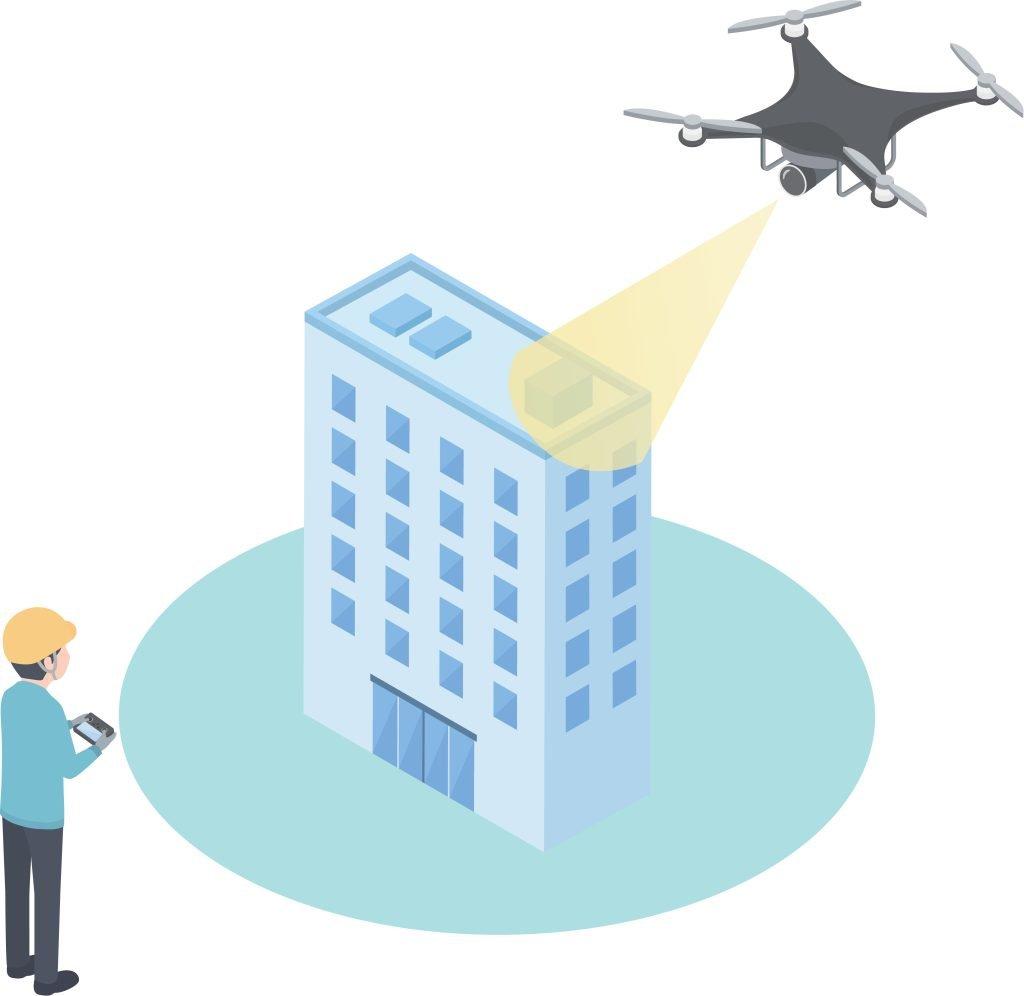
Drones have become a game-changer in home inspections, particularly for roofs and gutters. With high-resolution cameras and advanced sensors, drones provide detailed visuals of hard-to-reach areas.
Drones allow inspectors and homeowners to assess damage, detect issues, and plan repairs without physical risks. A drone inspection can provide peace of mind by identifying potential problems early for those preparing to move into a new home.
Drones offer unmatched versatility compared to traditional methods. They can hover over steep roofs, fly into tight corners, and capture angles that would otherwise require dangerous maneuvers. This precision ensures no detail is overlooked, making drones indispensable for comprehensive inspections.
Advantages of Using Drones when Inspecting Roofs and Gutters:
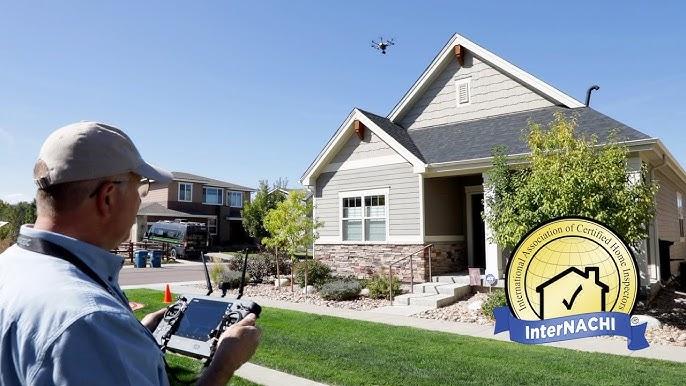
One of the biggest advantages of drone inspections is safety. Instead of climbing onto potentially unstable roofs, inspectors can operate drones from the ground, eliminating the risk of falls and accidents.
Additionally, drones save time by covering large areas quickly and capturing detailed imagery. Their ability to access tight spaces, such as under eaves or behind obstacles, assures a thorough inspection that traditional methods might miss.
Drones also make inspections more cost-effective. Hiring professionals to climb ladders and use scaffolding can be expensive. With drones, the process is streamlined, reducing labor costs while maintaining accuracy. Moreover, drone inspections are environmentally friendly, requiring no heavy equipment or invasive techniques.
Another benefit is the ability to revisit footage. Drones capture high-resolution video, unlike traditional inspections, where notes and photographs are the primary records. That allows homeowners and inspectors to review the data multiple times, ensuring no issue goes unnoticed.
Common Roof Issues Drones Can Identify:
Drones can detect various roof issues that could pose problems for new homeowners. They excel at identifying missing or damaged shingles, which can lead to leaks if left unaddressed. Cracks, sagging areas, and structural weaknesses are easily visible through drone footage.
Additionally, drones can spot signs of water pooling or poor drainage, which are often indicative of clogged or damaged gutters. Inspecting roof seals around chimneys, vents, and skylights is critical for homes in storm-prone areas. By identifying these issues early, you can avoid costly repairs and protect your investment.
Drones are also effective at detecting signs of aging roofs. Discoloration, moss growth, and curling shingles are all visible in drone footage. These subtle indicators might not seem urgent but could signal the need for replacement in the near future.

Benefits of Inspecting Gutters with Drones:
Gutters are often overlooked during pre-move inspections, but are essential for directing rainwater away from the home. Clogged or damaged gutters can cause water to pool around the foundation, leading to structural issues over time.
Amazon Prime is giving 6-month trial for $0
All 18-24 year-olds and students welcome.
Start your six month trial
Drones equipped with cameras can easily capture the condition of gutters, including blockages caused by leaves, debris, or bird nests.
Inspecting gutters with drones also reveals alignment problems or sagging sections. These issues may not be immediately visible from the ground but can lead to improper drainage and potential water damage. With a drone inspection, you can ensure that your gutters are in good working order before moving in.
Drones also help identify the impact of vegetation near the home. Overhanging trees can deposit leaves and twigs in gutters, increasing the risk of clogs. A drone inspection can highlight these potential concern areas, allowing homeowners to plan preventative maintenance.
When to Schedule a Drone Inspection?
The ideal time to schedule a drone inspection is before finalizing your move-in date. This step should take place after the initial property walkthrough, but before completing the sale.
Conducting an early inspection allows you to identify potential issues, negotiate necessary repairs with the seller, or allocate funds for future fixes.
If you’re moving into a home during extreme weather seasons—like heavy rain, snow, or hurricane season in Florida—ensuring the roof, gutters, and exterior structures are in top condition becomes even more crucial. Drone inspections provide a clear, detailed view of these areas, helping you make informed decisions about your new home.
In this process, partnering with professional movers can make your relocation significantly smoother. Miami Movers for Less specializes in residential and commercial moves, offering comprehensive moving and packing services tailored to your needs.
They ensure your belongings are safely transported and help streamline logistics, giving you peace of mind to prioritize essential tasks like property inspections. By combining their expertise with the convenience of a drone inspection, you can tackle your move with confidence and efficiency.
How to Choose a Drone Inspection Service?
Selecting the right drone inspection service is crucial for accurate results. Look for companies with licensed drone operators and experience in roof and gutter inspections. Verify their credentials, ask for references, and request a portfolio of previous inspections.
Reputable services often use advanced drones with thermal imaging capabilities to detect hidden issues like moisture intrusion or heat loss. Another key factor is clear communication.
The inspection team should provide detailed reports, including high-resolution images and actionable recommendations.
It’s important to discuss your specific concerns with the service provider. Whether you’re worried about storm damage, aging materials, or potential leaks, a good inspection team will tailor their approach to your needs.
DIY Drone Inspections: What You Need to Know?
Conducting a DIY drone inspection may appeal to tech-savvy homeowners. Consumer drones with high-quality cameras are widely available and relatively affordable. However, there are a few considerations to keep in mind.
First, ensure you are familiar with local regulations regarding drone usage. You may need a permit or license to operate a drone in some areas for inspection.
Second, practice flying your drone in open spaces before attempting a roof or gutter inspection. Stability and control are essential for capturing clear footage. Lastly, prioritize safety by avoiding inspections during adverse weather conditions or near power lines.
DIY inspections can be rewarding but require patience. Learning to operate a drone effectively takes time. If you’re unsure about your skills, consider partnering with a professional for the first inspection while observing how they use their equipment.
Credit: Roofing Doctor
Interpreting Drone Inspection Results:
Once the drone inspection is complete, you’ll receive images or video footage of your roof and gutters. Reviewing these visuals can feel overwhelming, especially if you are unfamiliar with common roofing terms or issues. Consider working with a professional to interpret the results and recommend repairs.
Pay close attention to areas with visible damage, discoloration, or debris buildup. If the footage reveals significant problems, such as structural damage or severe blockages, prioritize repairs before moving in. Promptly addressing these issues can save you from unexpected expenses and stress.
Drone inspection results can also serve as valuable documentation. Should you need to file an insurance claim or negotiate repairs, the footage provides undeniable evidence of the home’s condition at a specific time.
The Future of Drone Technology in Home Inspections:
As drone technology advances, its role in home inspections will only grow. Future innovations may include AI-powered analysis, where drones automatically identify and classify potential issues. That would further streamline the inspection process and provide even greater accuracy.
Additionally, drones with advanced sensors could detect invisible issues, such as heat loss or moisture buildup, with unparalleled precision. These developments will make roof and gutter inspections even more reliable, giving homeowners greater confidence in their property investments.
Another exciting possibility is integrating drones with smart home systems. Imagine a scenario in which your drone conducts routine inspections and sends alerts to your phone about potential issues. This proactive approach could redefine home maintenance.
Operating drones comes with specific responsibilities and legal obligations. Before launching a drone, you must familiarize yourself with the local laws and aviation guidelines.
These regulations ensure that drone operations are safe and do not interfere with other aircraft or compromise public safety. For example, some areas may restrict flying drones near airports, over densely populated areas, or in certain protected zones like national parks.
Additionally, depending on the type of drone you operate or the purpose of your flight, you may need permits or licenses. Educating yourself about these rules helps avoid fines or penalties and ensures that your inspections are conducted responsibly and within legal boundaries.
Always double-check for temporary flight restrictions and update your drone’s firmware to align with changing regulations.
Leveraging Drone Data for Insurance Claims:
Inspecting roofs and gutters with drones revolutionizes assessing property conditions, particularly regarding insurance claims.
Using a drone, you can capture clear, detailed images of your property’s exterior, including hard-to-reach areas like roofs or gutters. These visuals serve as irrefutable proof of the property’s condition before or after an event such as a storm or natural disaster. This data is particularly useful when filing insurance claims, as it accurately represents the damage incurred.
Insurance companies often rely on visual evidence to validate repair costs, and drone footage can significantly expedite this process.
By presenting clear, high-quality images, you can reduce the likelihood of disputes and ensure that claims are processed efficiently. Moreover, having drone-captured records can help establish a baseline for your property’s condition, which can be invaluable in future negotiations with insurers.
The Cost-Benefit Analysis of Drone Inspections:
Investing in drone inspections offers property owners both immediate and long-term financial benefits. While the initial cost of purchasing or hiring drones may seem significant, their savings over time often far outweigh this expense.
Drones can identify potential issues, such as roof damage or clogged gutters, long before they escalate into costly emergencies. By addressing these problems early, homeowners can avoid expensive repairs and maintain their property’s value.
Additionally, drone inspections save time by covering large areas quickly and providing precise data, reducing the need for repeated manual inspections. These advantages make drones a smart, cost-effective solution for maintaining properties, particularly for those with extensive or complex structures. Over time, the reduced maintenance expenses, enhanced property records, and fewer unexpected repairs have resulted in investing in drone inspections, which is a practical and financially sound decision.
Inspecting Roof and Gutters for Safety and Peace of Mind:
Inspecting roofs and gutters with drones is a modern, efficient, and safe approach to ensuring your new home is move-in ready.
You can avoid costly repairs and protect your investment by identifying potential issues early. Whether you choose to hire a professional service or conduct a DIY inspection, the benefits of using drone technology are clear.
As you prepare for your move, remember that safety and preparation go hand in hand. Partnering with reliable experts can simplify the process and help you focus on settling into your new home. With drones as your ally, you can prioritize safety and peace of mind, knowing that your roof and gutters are ready to withstand the test of time.
HAPPY FLYING!
